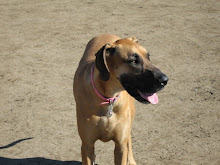
Barking. It’s one of the things that dogs do. In fact, there are occasions when it’s a benefit to have a dog who barks. If there were a stranger entering your property or if something were genuinely amiss, a barking dog could be downright helpful.What is not helpful however, is a dog who barks constantly. A twig snapped in the backyard, “Bark, bark, bark!” Neighbors are grilling in their yard, “Ruff, ruff, ruff!” Neighborhood kids are riding their bikes, “Yap, yap, yap!”This is a problem that is not only extremely annoying to neighbors, but can also be rather chafing on the pet’s owners who are either inside the house or out in their yard. Many dog or puppy owners find themselves constantly yelling “Cut it out! Hush!”… which for most dogs doesn’t stop the barking but instead just adds to the commotion.Another down side to a constantly barking dog is that he can become rather like the boy who cried wolf. Since the dog barks so much, there is a tendency to not even go see what it is he’s barking about. In the event of an actual intruder, your dog might be trying to tell you, but will instead either be ignored or told to hush because the barking is so common.The first step in alleviating this problem is to work on some obedience training with your pet. If he doesn’t clearly understand what “no” and “good dog” mean, he will not comprehend what you’re asking when you holler out the window. Likewise, if your dog doesn’t respect you, even if he does know what you mean, he will not listen anyway.Some basic obedience commands such as “heel,” “sit,” “down,” “stay” and “come” will help establish a learning curve for your pet, and being consistent during practice will help you to earn his respect at the same time. Another benefit of obedience training is that it helps to stave off boredom. You may be surprised how many dogs bark all the time simply because it’s an activity.The next step is to get outside with your dog or puppy! If he’s out there by himself, barking and running back and forth, all the hollering in the world is not going to stop him. You need to personally catch your dog barking inappropriately, tell him “no” and redirect him to a more appropriate behavior such as chasing a ball, doing a “down/stay” or another acceptable activity.Also extremely important is to take your dog out on a leash and socialize him thoroughly with normal neighborhood occurrences. Introduce him to the neighbors. Bring him to meet the kids who ride their bikes. Hang around out front when your neighbors are doing yard work so he learns that it’s normal and acceptable for them to be there.Between the obedience training, respecting you more, your personal supervision and being properly socialized with normal neighborhood happenings, your dog’s barking will be dramatically reduced. Soon, even your neighbors may start to like him!
Article written by Lori VerniLori Verni is a freelance writer, Certified Master Trainer and owner of Best Paw Forward Dog Education in Holly Springs, NC. She also proudly brings you all of the free articles on FreeDogTrainingInfo.com, and has a book available: Everything You Need to Know About House Training Puppies & Adult Dogs. The book can be purchased at www.FreeDogTrainingInfo.com
Keywords: dog collars, dog training, dog health
Saturday, March 15, 2008


Finding the Right Trainer for Your Dog or Puppy
Getting the right trainer for your dog or puppy is critical in training your pet the way that you, as the owner, feel comfortable. A trainer is just like a teacher or a coach for children, if you don’t feel comfortable with how they are handling your pet you will not likely continue the training method at home which will lead to confusion and non-compliance with your dog. A good trainer or professional will always be willing to share their views on dog training as well as explain their methods and philosophy for training.Points To ConsiderBefore deciding on the professional trainer to work with both yourself and you dog do a bit of research. The following questions are important to consider to be certain that the trainer that you choose will be the correct match.1. What type of training does the kennel or trainer offer?There are different types of trainers and various training methods. If you want a hunting dog or scent dog then the trainer should have experience in this type of specialization. Guard dogs or dogs for home protection require additional training over basic obedience and should only be trained by someone experienced with guard dog. Obedience training is different than event training and be sure the trainer has some experience in the area you are interested in.2. What qualifications does the trainer have?Trainers may be certified or recognized by a training association in your area or location, or they may simply have been working for a long period of time in the area and we well known by breeders and event competitors. Never be afraid to ask what qualifications or experience the trainer has.3. What references are available?Does the trainer have a list of references that he or she is willing to provide regarding the services they have provided. If the trainer has a certification ask what agencies granted it and do a bit of research. References should be local people or breeders and they should be open to talking about their experiences and results of using the particular trainer.4. How should I find a trainer?There are many different ways to locate a trainer. One of the best ways to locate a trainer in your area is to simply ask your veterinarian which professional trainer they recommend. Another option is to talk to other dog owners, especially ones with well-behaved dogs, and find out what trainers or training methods that they have used.Attending dog shows and other events may also be helpful. Watch for handlers and owners that respond to their dogs the same way that you would like to have your dog treated and ask who has assisted with the training.Dog owners tend to be very good references and are always happy to discuss a positive experience with a trainer. Equally most dog owners will also indicate that they had an unpleasant experience if that is the case. Remember that each trainer has their own unique style and personality so attending one or two classes and watching how the trainer responds to both the people and the dogs is a great way to get an insight into the philosophy of the training methods.
About The Author Kelly Marshall is a popular contributor at http://www.ohmydogsupplies.com - where you can find dog beds, dog steps, pet ramps, and more unique dog gear that you'll never find at your local pet store.
Keywords: pet meds, dog toys, dog beds, dog collars, pet supplies, dog training, dog bowls
About The Author Kelly Marshall is a popular contributor at http://www.ohmydogsupplies.com - where you can find dog beds, dog steps, pet ramps, and more unique dog gear that you'll never find at your local pet store.
Keywords: pet meds, dog toys, dog beds, dog collars, pet supplies, dog training, dog bowls
Get Rid Of Puppies “Behavior Problem”
The first thing you should understand about alleged “behavior problems” is that they are rarely a problem for the dog. Chances are pretty good that he enjoys digging up your garden, tilting over the trash, jumping on you, chasing any cat or un-stuffing the couch.Problem correction, like command training, has an expected sequence of steps you must follow to be successful:Prevent Unwanted PracticeBefore you could attempt to any changes make sure that you are not creating another problem. If you don’t give the dog what he requires, a proper diet, plenty of exercise and daily dealings or if you give him more than what he can actually handle, crate him for long hours, constantly excite him or may be frighten him frequently, he would not be able to give you his best.Now prevent the accidents until you and your dog are actually prepared. Crating, closing doors, moving the cat box or bowl, or may be keeping him on lead with you are just a few ways to minimize mischief. When you leave, lock him safely.Teach BetterAlways give your dog a way to succeed, a way to earn rewards. With behavior problems, ask your self “What behavior we want?”Often “sit” is a normal option. A dog who is sitting cannot be jumping up, stealing food from the kids counter tops etc... One of the best ways to address a surplus behavior is to just spend several days working on the desired alternative until your dog would do it quickly and more reliably by clearly directing him to the desired behavior, he quickly learns how to earn approval and rewards.PracticeBehavior problems can not be willed away. It doesn’t really help to think about crating him or to think setting up a training situation. Do it. We’ve seen people resolve similar difficult canine problems for which we held out little hope of recovery. It has achieved through pure diligence and pure commitment. Not every problem has a solution, but most they do and that solution is 100% dependent on you. Take the time and create a minor miracle.
About The Author Anbhu Selvan is an experienced dog care specialist and is also a good writer on the topic. He also gives suggestion on how to make your dog look catchy and colorful without irritating the dog’s mood. Various products are designed and are available keeping in mind the dog’s comfort and mood. For further information on dog care, dog clothes and accessories, and other dog requirements please visit http://www.dressypuppy.com and to contact anbhuselvan mail to: anbhuselvan@gmail.com
Keywords: dog toys, dog beds, dog collars, pet supplies, dog training, dog health
About The Author Anbhu Selvan is an experienced dog care specialist and is also a good writer on the topic. He also gives suggestion on how to make your dog look catchy and colorful without irritating the dog’s mood. Various products are designed and are available keeping in mind the dog’s comfort and mood. For further information on dog care, dog clothes and accessories, and other dog requirements please visit http://www.dressypuppy.com and to contact anbhuselvan mail to: anbhuselvan@gmail.com
Keywords: dog toys, dog beds, dog collars, pet supplies, dog training, dog health
Good Timing Creates Better Results With Dog Training
Imagine you just finished grilling a beautiful filet mignon steak. You realize that you forgot the steak sauce, so you walk away from the table to go to the refrigerator and get it. Out of the corner of your eye, you see your dog staring at the steak, walking straight toward it while salivating as if you’d served it to him in his dog bowl!When do you think is a good time to correct your dog by telling him “no” and putting him into a down/stay position? While he’s definitely thinking of stealing the meat? Or not until after he’s already taken it and run off with it in his drooly mouth?In the above scenario, it seems obvious that it would be best to stop your dog before he actually takes the steak. One of the reasons I love to use this example is because of its obvious simplicity.However, similar timing is also applicable to many other situations. It is always best to redirect your dog into a more appropriate behavior before he gets to the full extent of the bad behavior, as long as you’re certain he’s thinking of doing it.To clarify, another example would be a dog who barks and pulls when he sees other dogs. If you’re walking your dog and he sees another dog, assumes a “stalking” posture and is staring at the approaching dog, it is certain that if you don’t correct him, he will escalate into the full-fledged barking/pulling behavior. Instead, you can tell your dog “no” and get his attention back on you as soon as the staring begins.There are a multitude of other scenarios to which this applies… you just have to use your imagination. Is your dog definitely planning on jumping on the visitors? Probably yes, if he’s all excited, hopping around and acting like a madman while they’re walking up your path. Is he definitely going to rifle through the trash? Probably yes, if he’s sniffing the garbage can, licking its edges and has done this before. No need to wait until he’s already strewn the coffee grinds, banana peels and raw chicken wrappers all over the kitchen.Redirecting your dog as soon as the thoughts or feelings are occurring to him can be an excellent way to solve behavioral issues. By not waiting until your dog is fully in the throes of barking, or until after he’s received the “reward” of licking the chicken wrappers, behaviors can be redirected much more quickly and effectively.Beware that it is very important to be careful that you are reading your dog’s body language correctly. For example, if you have a puppy who is circling around on the living room carpet, it’s possible that he is getting ready to have an accident. However, dogs also circle around when they’re simply getting ready to lay down and you wouldn’t want to correct him for that. Get to know your pet and be sure you’re reading him correctly before moving forward with your educational exercises.With a little effort, you can read your dog’s body language and head off problems before they escalate, resulting in a more well-behaved pet, fewer incidents along the way and problems solved much more quickly.
Article written by Lori VerniLori Verni is a freelance writer, Certified Master Trainer and owner of Best Paw Forward Dog Education in Holly Springs, NC. She also proudly brings you all of the free articles on FreeDogTrainingInfo.com, and has a book available: Everything You Need to Know About House Training Puppies & Adult Dogs. The book can be purchased at www.FreeDogTrainingInfo.com
Keywords: dog toys, dog beds, dog collars, pet supplies, dog training, dog health
Article written by Lori VerniLori Verni is a freelance writer, Certified Master Trainer and owner of Best Paw Forward Dog Education in Holly Springs, NC. She also proudly brings you all of the free articles on FreeDogTrainingInfo.com, and has a book available: Everything You Need to Know About House Training Puppies & Adult Dogs. The book can be purchased at www.FreeDogTrainingInfo.com
Keywords: dog toys, dog beds, dog collars, pet supplies, dog training, dog health
Got Thirty Minutes? Teach Your Dog to Sit!
People mistakenly think that teaching their dog to sit is incredibly hard. But it's easy!All you have to have is (a) the right technique and (b) the patience to repeat the same command and tactile actions about 25 to 30 times.By the 31st time, I'd be willing to bet your dog (because he or she is smarter than anyone else's) is already starting to sit when you give the command.Elapsed time: about 30 minutes. Repeat as necessary to gain full "sit" control. That's it!Here's the complete low-down:The Sit Command is one of the easiest commands to teach your dog during dog training. The reason? It involves tactile (touch), the leash and collar combo, and praise (one of the most important ingredients in dog training).Here’s the basic routine for the “Sit” command: position your dog by your left side, with the “pinch” collar (or the collar of your choice) in place around your dog’s neck. Your dog probably will be standing on your left, tongue hanging out, wondering what’s next. Yup, yup – what’s next?It’s simple. Every command sequence follows basically the same routine, a standard in programming dog behavior: a minimum of words, tactile reinforcement of the command (until they start associating the command with the action), and praise – lots and lots of praise (when the action is completed correctly :-)Here’s how it goes in sequence: Call the dog by name, speak the command, and follow through with touch.In this case, for my dog, it would be “Honey! Sit!” spoken in a commanding tone. The first time, your puppy dog will not have any idea what you mean. So, with your right hand, you will pull up on the leash while pushing down on the dog’s hindquarters with your left hand. Forcibly, if need be.The combination of the two actions may bring a surprised yelp and a bit of struggle. But gently (and firmly) pull up with your right hand, and push down with your left. The dog really has no choice but to comply, and as he or she does so, lavish them with praise.As I said, the first time for the sit command will be a new experience for you both. But the second time will be a bit easier. And the third, and the fourth time, as each completed command is followed with praise, you’ll be thinking: “this dog behavior, dog training thing is a snap” – but only when the dog’s hindquarters are actually touching the ground can the celebration begin. Then, the reinforcement in the dog behavior will be clearly associated with the command and the subsequent action.By the time you get to the tenth time, believe it or not, the dog will likely already be in the motion of sitting down as your right hand goes up with the leash, and your left hand is reaching for the dog’s hind end.Repetition is like magic for dogs! Issue the same command, in the same tone of voice, in the same sequence, as many times as you want to practice this. But I would not try it more than 30 times in a row – both of you will get bored. Instead, begin practicing the next step, which will be to teach your puppy dog the “Down!” command.
For more details, visit http://www.tenstepdogtraining.com. And enjoy the Dog Obedience Journey!About The Author Don Sloan is an experienced dog trainer who has worked for ten years with the Humane Society, teaching dogs (and their owners) how to get the control and obedience they want! Visit his website at http://www.tenstepdogtraining.com
Keywords: dog toys, dog beds, dog collars, pet supplies, dog training, dog health
For more details, visit http://www.tenstepdogtraining.com. And enjoy the Dog Obedience Journey!About The Author Don Sloan is an experienced dog trainer who has worked for ten years with the Humane Society, teaching dogs (and their owners) how to get the control and obedience they want! Visit his website at http://www.tenstepdogtraining.com
Keywords: dog toys, dog beds, dog collars, pet supplies, dog training, dog health
Helping Your Dog or Puppy Adjust to a Change in Schedule
As the beginning of the school calendar draws near, many people’s schedules change. Those who work in schools, as well as parents, students and others, will have a much different schedule than during the lazy days of summer. Other times of year may also cause significant changes in schedule, such as a new job or other lifestyle adjustment.A significant change in schedule can be a big adjustment for dogs or puppies. Some pets may develop separation anxiety from suddenly being home alone for longer periods of time. Others may experience housebreaking accidents, chewing problems, and more.There are many steps you can take to train your dog or puppy to adjust. Following, is a list of things you can do ahead of time to help your dog adapt:Personally leash walk your dog to a designated area to do his business. This will help your dog to quickly identify when it’s time to “go”, and will provide your pet with some attention and exercise. For a complete guide to teaching your dog to use a designated bathroom area, check out the book "Everything You Need to Know About House Training Puppies & Adult Dogs". If your dog has had very frequent access to go outside, cut down on that freedom little by little in advance. This will help your dog or puppy to build up the needed muscle control to last for longer periods of time between walks without housebreaking accidents.Teach your dog or puppy to sometimes be independent from you. Discourage him from following you around constantly like a shadow. Instead, train your dog to remain in a down/stay position while you move freely around your home. This may keep separation anxiety problems from developing.Leave your dog or puppy home alone for periods of time starting now. Optimally, you’ll want to gradually build up to the full time you’ll be out with your new schedule. Don’t make a big deal about leaving or returning home. If you act apologetic about leaving, it can make your dog more anxious. Instead, act as if your coming and going is perfectly normal (which it is). Use your dog’s crate. Particularly if you have a puppy or an adult dog who sometimes chews or gets into mischief. If your dog damages things while you’re out, such behaviors are far more likely to become habits. Crate training is for your dog’s safety, your furnishing’s safety, and your own peace of mind. More info on crates, recommended ones, and great prices.Practice obedience commands with your pet. By providing leadership, your dog is likely to be a much more well-adjusted pet who adapts well to your household’s lifestyle. By following the tips outlined above, you should be able to prevent problems from developing. Be sure to click on the highlighted links throughout this article to read additional Free Dog Training Info articles. If you need additional help, consider contacting an educated, knowledgeable dog trainer.
Article written by Lori VerniLori Verni is a freelance writer, Certified Master Trainer and owner of Best Paw Forward Dog Education in Holly Springs, NC. She also proudly brings you all of the free articles on FreeDogTrainingInfo.com, and has a book available: Everything You Need to Know About House Training Puppies & Adult Dogs. The book can be purchased at www.FreeDogTrainingInfo.com
Keywords: dog toys, dog beds, dog collars, pet supplies
Article written by Lori VerniLori Verni is a freelance writer, Certified Master Trainer and owner of Best Paw Forward Dog Education in Holly Springs, NC. She also proudly brings you all of the free articles on FreeDogTrainingInfo.com, and has a book available: Everything You Need to Know About House Training Puppies & Adult Dogs. The book can be purchased at www.FreeDogTrainingInfo.com
Keywords: dog toys, dog beds, dog collars, pet supplies
Helping a New Dog or Puppy Adjust to Your Home
When you get a new pet, one of the top priorities is to make sure that he adjusts well to his new home environment. While humans are usually excited about their new furry family member, a new dog or puppy might not understand right away what’s expected of him or what it will be like.One of the best things you can do is to provide consistency for your new dog. Creating a schedule will be instrumental in helping him to adjust. This means that you should choose times of day for feeding, walking, playing, training and quiet time… and do your best to stick to them every day.Training is another aspect that can help immensely in pets’ adapting to their new home. While you don’t want to overdo it by expecting your dog to be completely trained the first day, spending some time each day teaching him to “sit” and “stay” can help your new dog or puppy to feel more comfortable in the family pack. By providing leadership, you’re helping him realize where he stands in the family pecking order, which will make him feel relieved about knowing, and will also help set the tone for his relationship with your family for many years to come.Children will need extra supervision, especially during the first few weeks of having a new puppy or dog. It is very exciting for kids to get a dog, but it’s also important to ensure that your new pet has some quiet time each day and that children are not too overwhelming in their enthusiasm. Set clear guidelines early, including staying away from the dog’s food and water, not going in his crate and giving him his own personal space, just as we all need sometimes.Another thing that can help avoid problems is to supervise your new puppy or dog at all times. Even if you have a fenced yard, it is a good idea to personally leash walk your dog to a designated area to “do his business,” and oversee whatever else he is doing in the yard. This can help create good habits such as using a designated bathroom area, while also avoiding problems such as digging, fence jumping, damaging landscaping, chewing things and more.Of course, diligent supervision inside the house is best for the first several weeks as well. Puppies will probably require strict supervision far longer than that.Imagine that you moved to a foreign country that had very different traditions than you were used to. It’s likely that this is how your new dog or puppy feels. Just as you might be nervous, reserved or excited in your new country, it’s probable that your pet feels the same way about his new home. By taking some time to help him learn the “lay of the land,” allowing him some time and space to adjust, and providing love and consistency, you have the best chances of helping your pet become the lifelong friend you envisioned!
Article written by Lori VerniLori Verni is a freelance writer, Certified Master Trainer and owner of Best Paw Forward Dog Education in Holly Springs, NC. She also proudly brings you all of the free articles on FreeDogTrainingInfo.com, and has a book available: Everything You Need to Know About House Training Puppies & Adult Dogs. The book can be purchased at www.FreeDogTrainingInfo.com
Keywords: dog toys, dog beds, dog collars, pet supplies, dog training, dog health
Article written by Lori VerniLori Verni is a freelance writer, Certified Master Trainer and owner of Best Paw Forward Dog Education in Holly Springs, NC. She also proudly brings you all of the free articles on FreeDogTrainingInfo.com, and has a book available: Everything You Need to Know About House Training Puppies & Adult Dogs. The book can be purchased at www.FreeDogTrainingInfo.com
Keywords: dog toys, dog beds, dog collars, pet supplies, dog training, dog health
Subscribe to:
Posts (Atom)